
Chetan I.
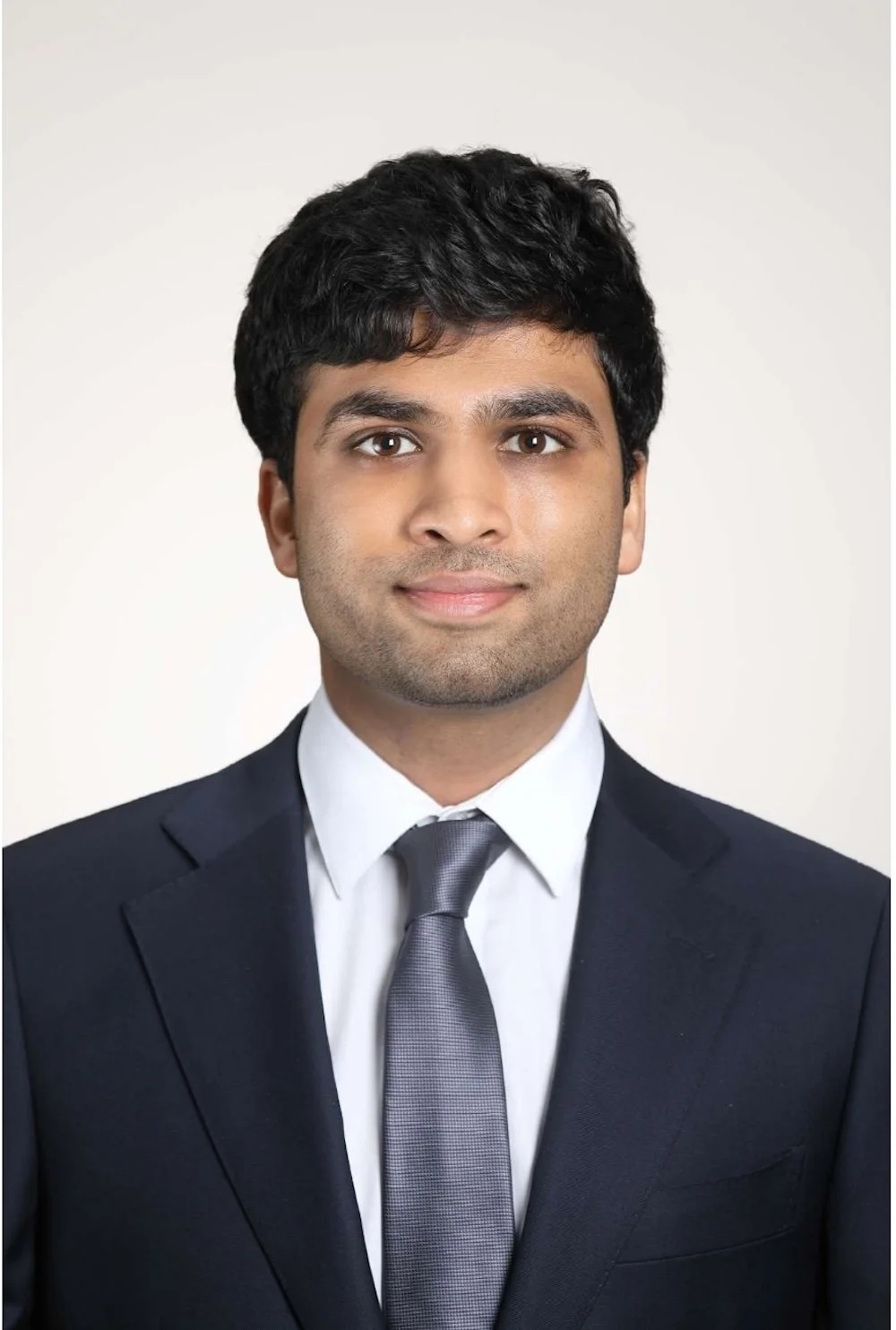
Photo provided by Chetan I.
If you’re reading this, I want you to get ready to collect experiences that you will actually remember.
I am currently near the end of my 3rd year of four long and challenging years of medical school. Having gotten time and many moments to reflect, I want to speak about what you will remember versus what you are likely to forget. Our brains are capable of only holding so much and with the especially limited space you will have from having to memorize countless facts, it really is worth putting in a bit of work to reflect on what you will take home and investing in those moments while letting your mind be for those that you are apt to forget. I will write about three experiences that will probably stick and three that likely won’t.
The first of those is one you already know, the people. Roommates are a big plus and from what I’ve often seen and experienced, may just become lifelong friends. Try to live close to school or in an area where you can make many med school friends and have those conversations about life and opportunities. In many ways, these people are seeds you can sow that will bloom at the toughest of times and will support you when times get tough. Try not to pay too much heed to the table you are sitting at or your study group. In time, trust and you will find a great group of people.
Following this, there is something about sports based groups that makes for a topnotch set of memories. I deeply enjoyed going to run club every Tuesday. I remember being part of several “backwards selfies” and felt amazing for getting to be out in the community while pushing people to run just a bit more. Do not overcommit but try to say yes to tennis, volleyball or the like. Bring people as well who may be hesitant to participate.
Lastly, I would recommend finding a place of peace for yourself. For me that was a local Hindu Temple (Char Dham Hindu Temple) that me and my roommate would visit every weekend. I went back several times to that temple this past year and have a special place for it in my heart. Even if you are not religious, quiet and peaceful places exist and making a weekly trip will be worth your while.
Now onto what you will likely forget: the first of these is getting ready for board exams. While this is probably the toughest time in medical school, you would be surprised how quickly you move on and back up with school and rotations. Make a clear plan and set your bar high. You would be surprised how you can score well on them despite the negativity that is around you.
Secondly, I would say the act of traveling can be overlooked. If you live near a car-based city like I did in Houston, driving for 30 minutes to an hour each way can seem like a big investment. Nevertheless, there were times where my friends and I drove over 2 hours every week just to get to a cafe we liked that was open late. I remember some moments I had studying at these spots but do not remember the time or driving involved. Be sure to go on those trips and have those valuable study sessions.
Thirdly, I have noticed that you tend to forget professors. In medical school, you will likely be taught by many rotating faculty and will have to work with quite a few of them as well. For those that make a difference, try and appreciate them by letting them know. Keep in mind that courses and graded exams that they lead are quite temporary. The first ends with 2nd year and the latter ends with 3rd year. You will soon be at this point.
I can give many more examples of experiences that you will remember versus those that you won’t but I wanted to focus on a few that will hopefully give you some ideas to have a better experience. Whether you are adjusting in the first semester or are coasting through classes, time is short and it really is the things you remember that will get you through a lot. Be sure to read other letters on this website as well, particularly ones by my close friends Sandi A. and Minahil A. who gave me a chance to participate. You got this and know that it will work out.
Wishing you the best,
Chetan I., Third Year Medical Student
Several studies have revealed that medical students, physicians, and healthcare professionals experience mental health symptoms at rates significantly higher than the general population. Stethos[Cope] is a chapter of IfYoureReadingThis designed to help medical students and professionals cope with the unique stressors of medical training and change the narrative of mental health in medicine.
To read more letters and interviews from students, and to learn more about mental health in the medical community, visit the Stethos[Cope] home page.