
Amisha J.
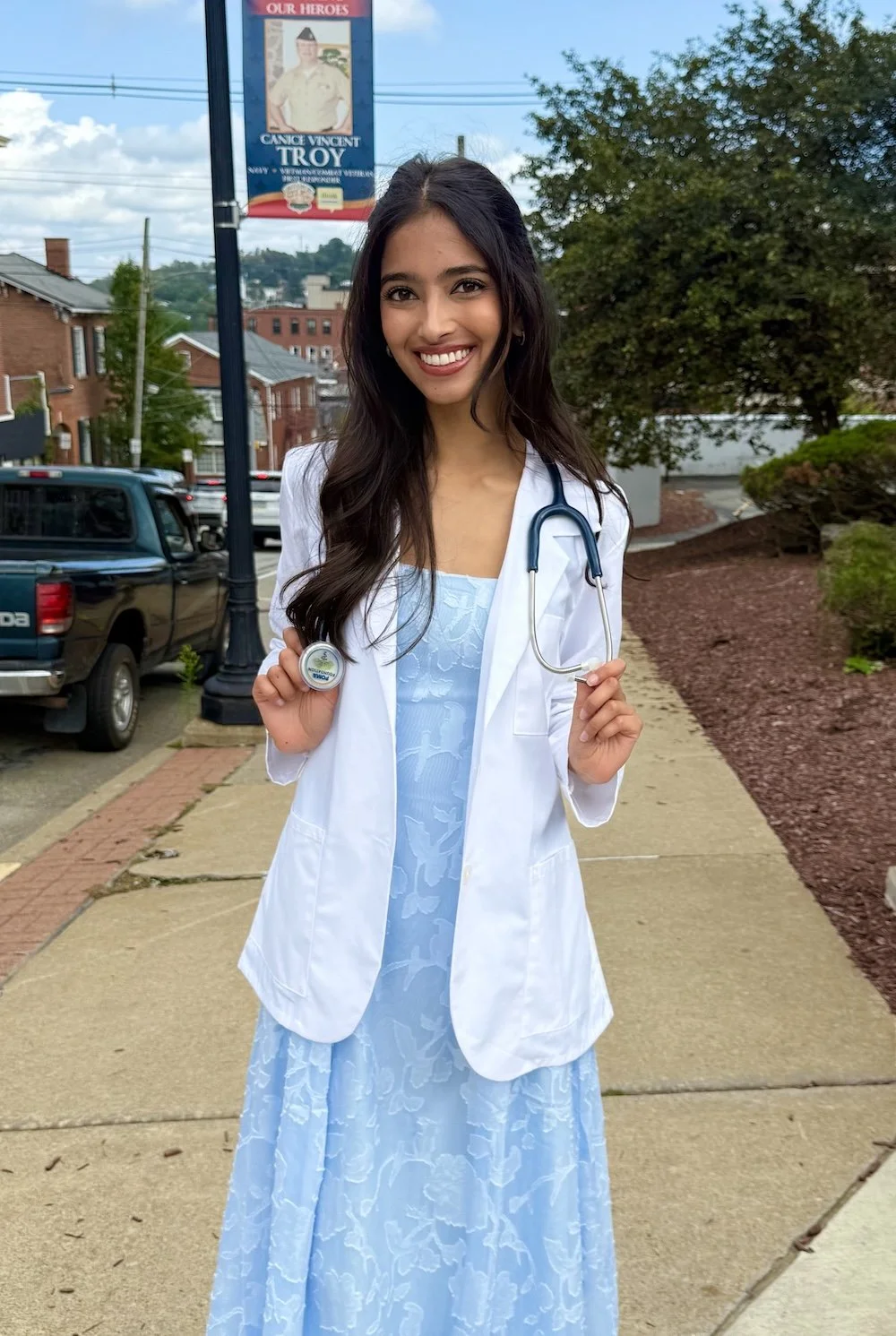
Photo provided by Amisha J.
If you’re reading this, don’t lose sight of your “why.”
The first few months of medical school have challenged me in ways I could’ve never imagined. It constantly feels like there’s always another lecture to get through, another exam to prepare for, or another task I should be on top of. With so much demanding my attention, it's been easy to lose sight of the bigger picture.
In the middle of the chaos, it's so important to remember what brought us here in the first place.
For me, part of that reminder comes from my time caring for patients in hospice. One patient in particular has stayed with me because he was the first patient whose death I witnessed. I spent the final days of his life with him, listening to stories about his childhood, playing games, and helping care for him. It was a privilege to share those days with him, and it's an experience I think about often when things get hard.
When I reflect on that time, I'm reminded of the people who have shaped my journey toward medicine and the kind of impact I hope to have on others. The work we're putting in now may sometimes feel far removed from that purpose, but one day, the knowledge we're working so hard to gain will become part of the care we give another person.
We all have experiences that remind us why we started this journey. They may come from people we've met, challenges we've faced, or moments that have shaped how we see the world. These experiences don't just explain why we chose medicine; they shape what we'll bring to it. The compassion we've developed and the perspectives we've gained are all part of the physicians we're becoming.
When things get hard, I hope you remember that you’re so much more than your grades or the hard days that make you doubt yourself. Some days you'll wonder whether you're good enough, but those moments don't define your worth or erase the reasons you chose this calling in the first place. You bring something to this profession that no one else can replicate. You deserve to be here. Keep showing up, keep growing, and remember that you’re more capable than you know.
Amisha J., First Year Medical Student
Q: What’s the best advice you’ve ever received for maintaining your mental health?
A: One piece of advice that has stuck with me is to give yourself the same grace you would give someone you care about. It’s easy to be your own harshest critic, especially when you’re working toward something demanding. But one bad day or setback doesn’t define you, and you don’t have to be productive every moment to be making progress. Learning to be kinder to yourself is just as important as learning how to push yourself.
Q: What change do you hope to see when it comes to mental health in medical trainees?
A: I hope to see a culture in medicine where prioritizing mental health is treated as a normal part of becoming a good physician, rather than something that has to come at the expense of academic success. Medical students are constantly learning how to care for others, but we also need environments where we feel comfortable asking for help and taking time to care for ourselves without feeling guilty. I hope we can move away from the idea that we have to push through everything in silence to prove that we're capable. Supporting medical students shouldn't just mean helping them get through the difficult days; it should mean creating a culture where they feel supported before they reach that point.
Several studies have revealed that medical students, physicians, and healthcare professionals experience mental health symptoms at rates significantly higher than the general population. Stethos[Cope] is a chapter of IfYoureReadingThis designed to help medical students and professionals cope with the unique stressors of medical training and change the narrative of mental health in medicine.
To read more letters and interviews from students, and to learn more about mental health in the medical community, visit the Stethos[Cope] home page.