
Stella C.
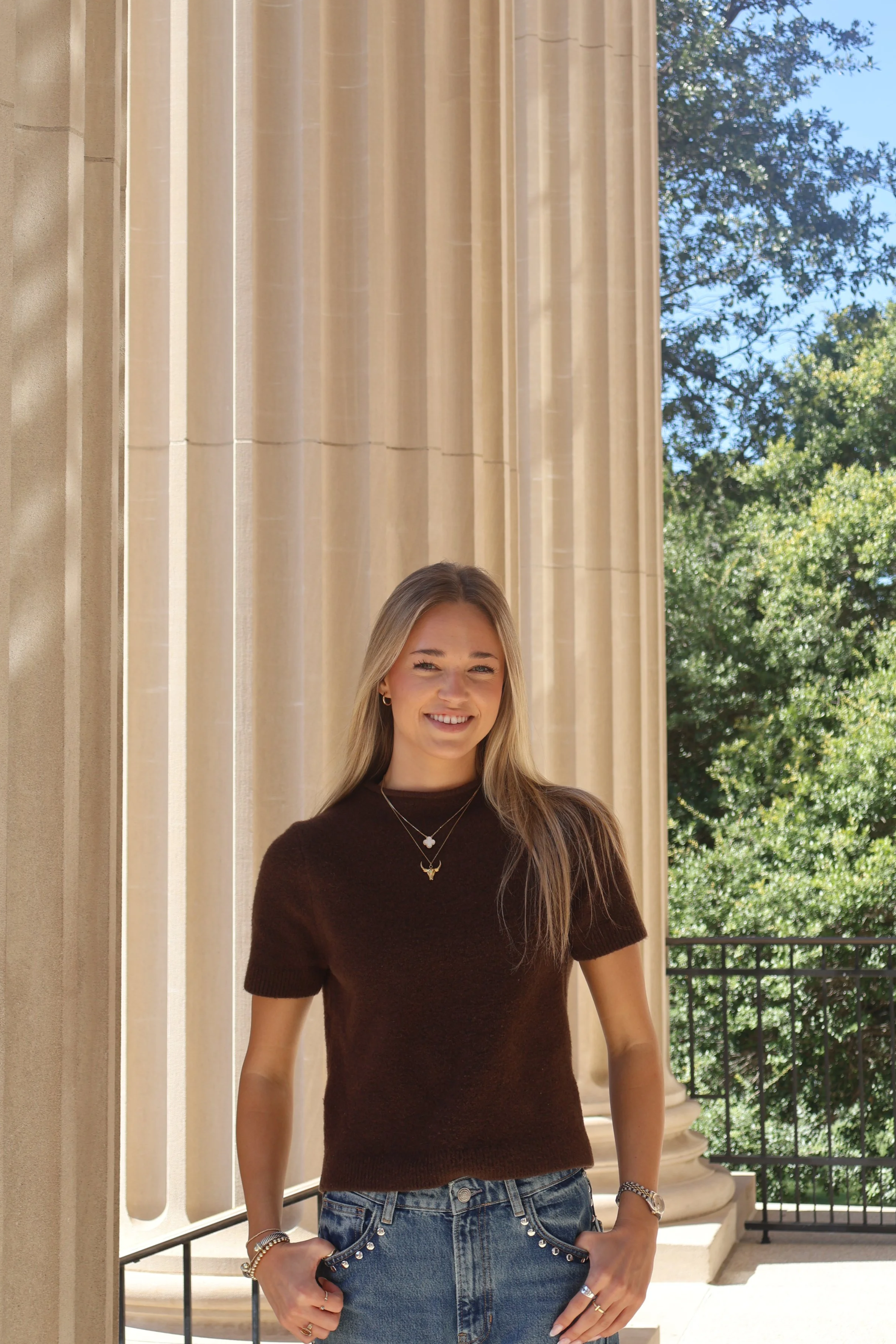
Photo provided by Bella R.
Before reading further, Stella’s letter contains content discussing suicidal ideation. If you think reading about this may be triggering for you, take a moment to prepare any resources you may need to access after reading it. If you would rather not read this letter, we encourage you to exit this screen and read alternative letters on different topics.
If you’re reading this, you’re not weak for wanting to stay.
I've rewritten this letter more than ten times, mostly because it's so much harder to take my own advice than to give it. I waited and revised for so long that I had to retake my photo: my hair was a different length, and I was a whole year older. I'm telling you this so that you know how scared I am right now. I spend so much of my time encouraging people to be brave and reach out, and in many ways, it makes me feel like a hypocrite writing this letter, let alone leading this organization. I’ve finally decided it's a necessary step in my growth and leadership, so please bear with me while I face this fear.
It's late October, which feels like the perfect time to share my story. Two years ago this month, I was headed home, against my will and much to my dismay, to get treatment and support for my depression. I want to tell you how I got there and what I learned on the way out.
I was 19 and just starting my sophomore year when I hit the lowest point I'd ever experienced. I was hurting, but I was also lonely and confused, because on paper I had no reason to be sad. I was a social, involved, and successful student. I couldn't tell you why, but at some point, I started to feel like I didn't want to be here anymore. I isolated myself from the world and decided this must be it for me: that I was worthless, and everyone would be better off without me. I didn't tell anyone, and my sadness thrived in silence. I turned to harmful coping mechanisms that eventually became something I really struggled to stop.
Next week I turn 22, which is wild, because I used to think I wouldn't make it to 20. It wasn't easy getting here. I wish I could say I was brave and asked for help when I needed it, but I can't take credit for that. What I can take credit for is one small conversation. Very few words were spoken, but I finally admitted out loud what I was going through. I remember the tearful reaction, and realizing that what I was thinking and feeling was actually very scary. As painful as that conversation was, I'm able to tell my story because of it.
What came next was a long internal battle between secrecy and vulnerability. I believed that reaching out made me weak, and it seemed easier to let myself waste away than to admit I was struggling. I felt like a burden to everyone in my life, no matter how many times they told me I wasn't. Those feelings of embarrassment, helplessness, and guilt are an unfortunate part of surrendering to help, but they don't define you. You should never feel guilty for needing support, and nobody should ever make you feel that way.
If I could go back, I'd tell my past self that vulnerability isn't the enemy. I wanted so badly to be seen as strong. I thought if people saw me struggling, they'd realize I wasn't invincible, and they'd think I was weak or treat me differently. Now, as an almost-22-year-old, I'm telling you that you are worthy of help!! I promise it's worth it to stay and be scared rather than leave without trying.
I know this is easier said than done, and I definitely don't have it all figured out. I'm still learning to ask for help, and more importantly, let myself be helped. But what I learned two years ago continues to help me get through life's inevitable challenges as they come.
This summer, my dad passed away unexpectedly, which is a whole other letter I'm not ready to write yet. What I can say, though, is that it put my own advice to the test. So much of life is confusing and outside of our control, and I know that now more than ever. But I've learned you choose how you react, and for me that means trying my best to lean on the people around me, even though it doesn't come easily. When life hits you hard, whatever that looks like for you, don't shy away from support. I know how daunting that can be, but it will make things better in the long run.
My hope is that someone reads this and takes it as their sign to reach out. Talk to a friend, a family member, a stranger, or even me. One small conversation can make a bigger difference than you think.
A resource to contact me is below, and I'm always here to listen.
If you're in crisis, call or text 988 (U.S.).
Stella C., Southern Methodist University
SMU Chapter President
Connect With Us
To follow IfYoureReadingThis at SMU on Instagram, get in touch with our chapter, and learn about more resources available to SMU students, visit our chapter’s homepage.
author Contact
This author has opted to allow readers who resonate with their story to contact them. If you would like to speak to the author of this letter about their experience, please use the form below.