
Siddhant P.
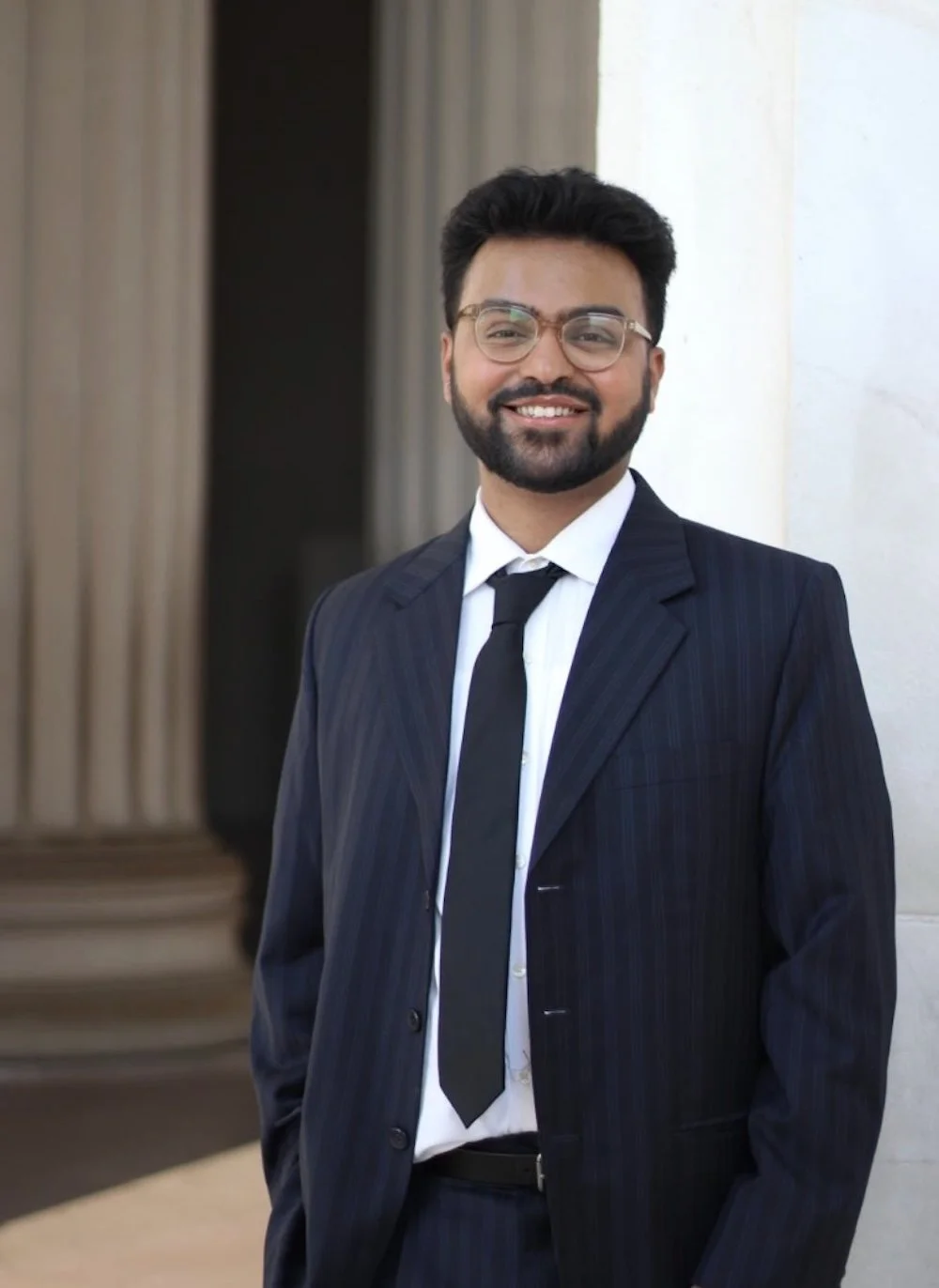
Photo provided by Siddhant P.
If you’re reading this, don’t be afraid to embrace change.
Coming to medical school last year was undoubtedly exciting. After all, I worked my entire academic life to start this journey and turn my passions into a lifelong career. When I actually started school, however, the sobering reality of academic rigor knocked me off my feet. I looked around at my friends and peers, wondering how they were able to build houses on shifting sands when I was struggling to find my footing.
Through willpower and an almost pathological aversion to failure, I forced myself to adapt and gradually succeed in my new environment. Yet, when I looked back to reflect on this time at the start of my second year, I couldn’t help but think: I finally feel secure here, but what will I do next year when things change?
I kept these uncertainties to myself in a concerted effort to live in the moment, but eventually, my fears began to dominate my internal monologue. The victories I achieved at school and the connections I had formed began to feel ephemeral and a reminder that I would have to readjust to a new environment and new people next year. Eventually, my fear of looming change led me to break down and do what I should have done from the beginning: vocalize these thoughts and talk them through with my best friend.
People will often tell you that your pre-clinical years feel like trauma bonding with your classmates, but the connections we form extend so much more than that. We don’t just learn how to study from one another or how to cope with the stress of medical school, but how to truly live and make the most out of this time. Being vulnerable about my fear of change allowed me to feel less alone and recognize that the progress I had made here was not going to be left in my pre-clinical years. I began to remember how hard I had worked to get this far and the strength of the relationships I had formed here. I also started to understand why I have had such a tough time adapting to new places: If I had spent all my time looking backwards, trying to salvage a time that was no longer mine, how would I be able to see all the exciting things lying ahead of me?
Sure, my circumstances might change next year, but I know what will not change is my resilience and ability to thrive. With a new lease on life, I feel ready to take on the challenges I will encounter in the future. If you’re reading this, I hope that you can also start to embrace the idea of change and that these words serve as an affirmation for your future as writing this did for me. You have so much to be excited about, and even if we may not know one another, I can’t wait to see the amazing things you do.
Siddhant Pathak, Second Year Medical Student
Q: How do/did you manage the stress of preclinical training, such as learning high volumes of detailed information and increased levels of competition?
A: The sheer volume of information was very overwhelming to me initially, but what helped me manage it was learning how to make the material interesting for me and focusing on information that was important either for exams, boards, or both. I typically study with a few friends after we have all finished reviewing material on our own, and these study sessions help me gain other perspectives on the information. I find it interesting to hold on to what other people find useful and how they learn, so I tend to pick up on that as well as my own memory devices and learning strategies. As far as competition goes, I have eventually reached a point where I am not focusing on how I am performing compared to other people around me. Instead, I focus on how much I am learning and absorbing the material, which will help me on my board exams, clinical rotations, and incidentally, also help me perform better in school.
Q: What has your journey with coping been like thus far? What do you hope others take away from your journey?
A: My idea of coping was that it was a set of tools you used to simply get by and be able to get through the day without spiraling. Over time, I have treated coping to thrive and make the most out of each day. With the daily stressors of medical school, getting by is simply not enough, so I focus on spending time with people and doing things that help me feel my best. This has probably been the most radical change with the way that I cope, because I have historically been someone who has consistently put other people’s needs above my own. Now, I have come to a place where I can simultaneously prioritize my needs and support the people I care about without sacrificing my well-being. The takeaway I hope people obtain from this journey is that you can pour into others and still make sure your cup is full.
Q: How do you recognize the signs of burnout in yourself or your peers, and what steps do you take to address it?
A: For me, burnout tends to look like depression: I find it hard to get out of bed for school and begin to lose interest in my daily habits and take care of myself. When I notice this, I extend myself the grace of feeling these emotions and then try to change my environment. Whether this is going for a quick workout or studying with a friend, I try to find a way to be productive to work through these feelings. With my friends, I also notice when they are not at their normal, and I try to talk to them about what’s going on. Not everyone is receptive to talking things out, at least not immediately, so I encourage them to do something that will break them out of their rut.
Several studies have revealed that medical students, physicians, and healthcare professionals experience mental health symptoms at rates significantly higher than the general population. Stethos[Cope] is a chapter of IfYoureReadingThis designed to help medical students and professionals cope with the unique stressors of medical training and change the narrative of mental health in medicine.
To read more letters and interviews from students, and to learn more about mental health in the medical community, visit the Stethos[Cope] home page.