
Katherine A.
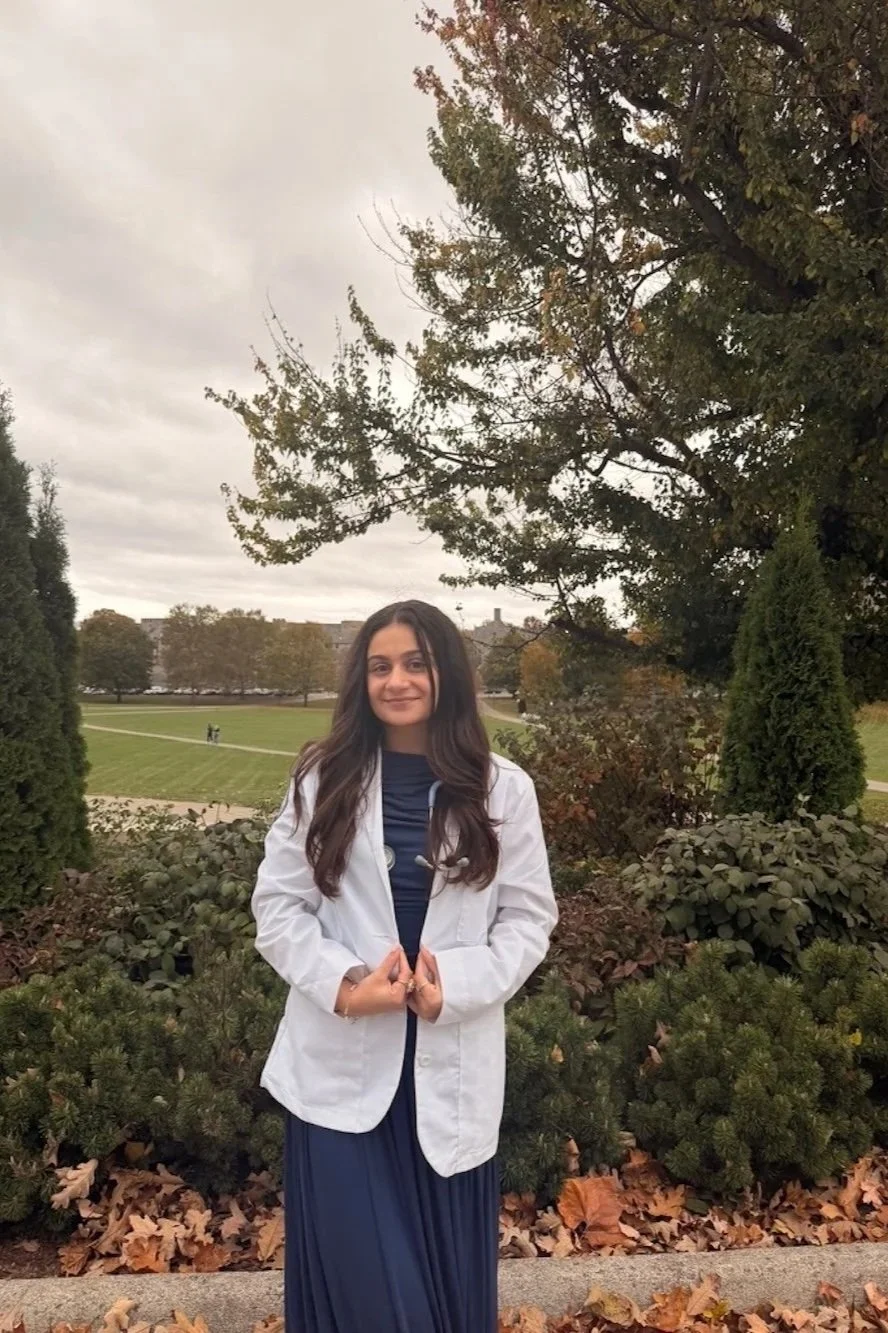
Photo provided by Katherine A.
If you’re reading this, your attitude matters.
Medical school is hard. There will be days when it feels like there simply aren't enough hours to learn everything you need to know, when an exam doesn't go the way you hoped, or when imposter syndrome quietly begins to creep in. In those moments, it's easy to let frustration or self-doubt take over. But I've learned that your mindset is one of the most powerful tools you have. The attitude and energy you bring each day will shape your experience far more than any single exam score ever will.
One of the greatest lessons I've learned throughout medical school is that positivity is a choice you make every day. It doesn't mean pretending everything is perfect or ignoring the inevitable challenges. It means choosing to find opportunities for growth, believing that setbacks are temporary, and remembering why you began this journey in the first place. Every obstacle carries a lesson, and every difficult season eventually passes.
Equally important is kindness. Medical school is not a competition, it's a community. Some of my favorite memories have nothing to do with grades or test scores. They come from late nights studying in the anatomy lab, quizzing classmates before exams, celebrating each other's successes, and teaching one another procedural skills. Those moments transformed what could have been an overwhelming experience into one filled with friendship and purpose. The smallest acts of kindness often have the greatest impact, creating an environment where everyone can succeed.
I've found that the more kindness I gave to others, the more I received in return. Supporting my classmates never took away from my own success; if anything, it strengthened it. Celebrating each other's victories and remembering that everyone is fighting their own battles made medical school feel less overwhelming and much more meaningful.
Looking back, I can honestly say that choosing optimism and leading with kindness helped me thrive. They made me a better student, and I hope, someone who will one day become a better physician. Medicine is built on compassion, and that compassion should begin long before we meet our patients. It starts with the people sitting beside us in lecture, standing next to us in the anatomy lab, and learning alongside us every day.
As future physicians, our responsibility is to lead with compassion, not only toward our patients, but also toward ourselves and those around us. So as you begin this journey, study hard, ask questions, and challenge yourself every day. But don't forget to smile, encourage the person sitting next to you, and give yourself grace when things don't go as planned. The knowledge you gain will make you a physician, but the kindness you show and the attitude you carry will define the kind of physician you become.
On the hardest days, when the workload feels impossible and the finish line seems far away, remember that there is always something to be grateful for. Hold on to your purpose, lean on the people around you, and never underestimate the power of positivity and kindness. They won't make medical school easy, but they will make the journey infinitely more meaningful.
Katherine Aziz, Second Year Medical Student
Several studies have revealed that medical students, physicians, and healthcare professionals experience mental health symptoms at rates significantly higher than the general population. Stethos[Cope] is a chapter of IfYoureReadingThis designed to help medical students and professionals cope with the unique stressors of medical training and change the narrative of mental health in medicine.
To read more letters and interviews from students, and to learn more about mental health in the medical community, visit the Stethos[Cope] home page.