
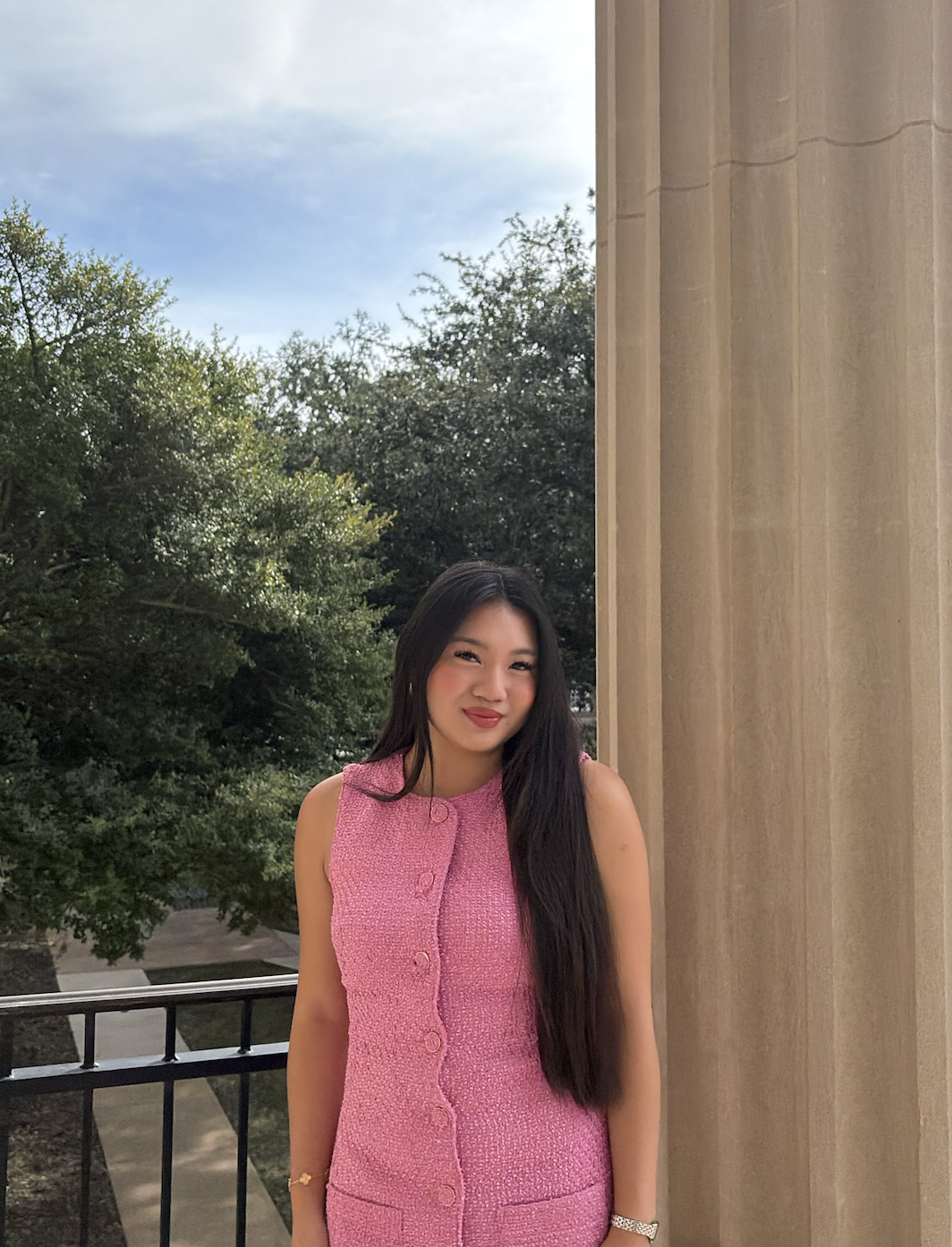
Photo provided by Bella R.
If you’re reading this, what will your 7 minutes be?
There’s a widespread saying that “when you die, your brain remains active for about 7 minutes, just enough time to relive your precious memories.”
I imagine myself at 100 years old, surrounded by my entire family. Instead, I’m 12, lying in a hospital bed with an alarming beeping from the heart monitor, dropping from 30 to 16 beats per minute every few minutes. Doctors and nurses' peek into my room to see the “special case” scheduled for pacemaker surgery the next morning. I turned to the side to see my mom curled up in the small couch chair beside me. As I stare at the ceiling in a cold, uncomfortable room, I wonder how my life reached this point so quickly.
The cardiologist says I flatline for 3-5 seconds multiple times a night. Doesn’t that mean I should have experienced my 7 minutes? Wasn’t I dying? Morbid, sure. Dramatic, definitely.
The next morning, I’m lying on another bed, this time being wheeled into the surgery room. There’s a blur of blue scrubs around me. I look up and see only white light – is this what heaven will look like? The anesthesiologist appears with the mask and asks, “Are you ready?” Are we ever ready? He lowers the mask onto my face.
“10”
“9”
“8”
“7”
Then, darkness. Pure, weightless darkness, like floating in space.
Waking up felt like being yanked from the edge of an endless void. And the strangest thing happened: my first conscious thought wasn’t about death. It was about life, and I felt myself gravitating toward it.
A near-death experience makes you understand what it means to be alive. When you are pulled from the brink of your seven minutes, you suddenly feel like the luckiest person on the planet. It’s cliché, but that feeling resonated deeply with me. I felt an affinity for life, a deep joy I wouldn’t have known without that unexpected, severe heart diagnosis and surgery.
Maybe it was too early to say I should have appreciated my first twelve years more, but it wasn’t too late to say I could appreciate everything that came after. People often ask why I’m so happy or why I’m always smiling, and the truth is simple: I’m alive. Why do we wait until we’re near death to finally see the beauty of our lives at face value?
I still struggle to accept the weight of that moment, and perhaps my tendency to lean into happiness and gratitude was partly a shield from fully understanding what such a life-changing experience truly meant. It wasn’t until five years later, when I was writing my college essay about my heart story, that I finally cried. Until then, I hadn’t realized how deeply the experience had affected me emotionally and mentally. I wasn’t sure whether those tears came from happiness or grief, but for the first time, it had finally hit me. I realized that my gratitude for being alive didn’t erase the emotional weight of what I had experienced. For years, I had unknowingly carried those contrasting emotions deep within me, and now I could finally embrace my story, in all its complexity, to become a catalyst for my future.
I rarely measure my life in minutes now, but in love, friendships, laughter, and above all, gratefulness. And I hope in those seven minutes, I can thank the 12-year-old girl who taught me what it truly means to be alive.
Camillie N., Southern Methodist University
Connect With Us
To follow IfYoureReadingThis at SMU on Instagram, get in touch with our chapter, and learn about more resources available to SMU students, visit our chapter’s homepage.
author Contact
This author has opted to allow readers who resonate with their story to contact them. If you would like to speak to the author of this letter about their experience, please use the form below.