
Grace C.
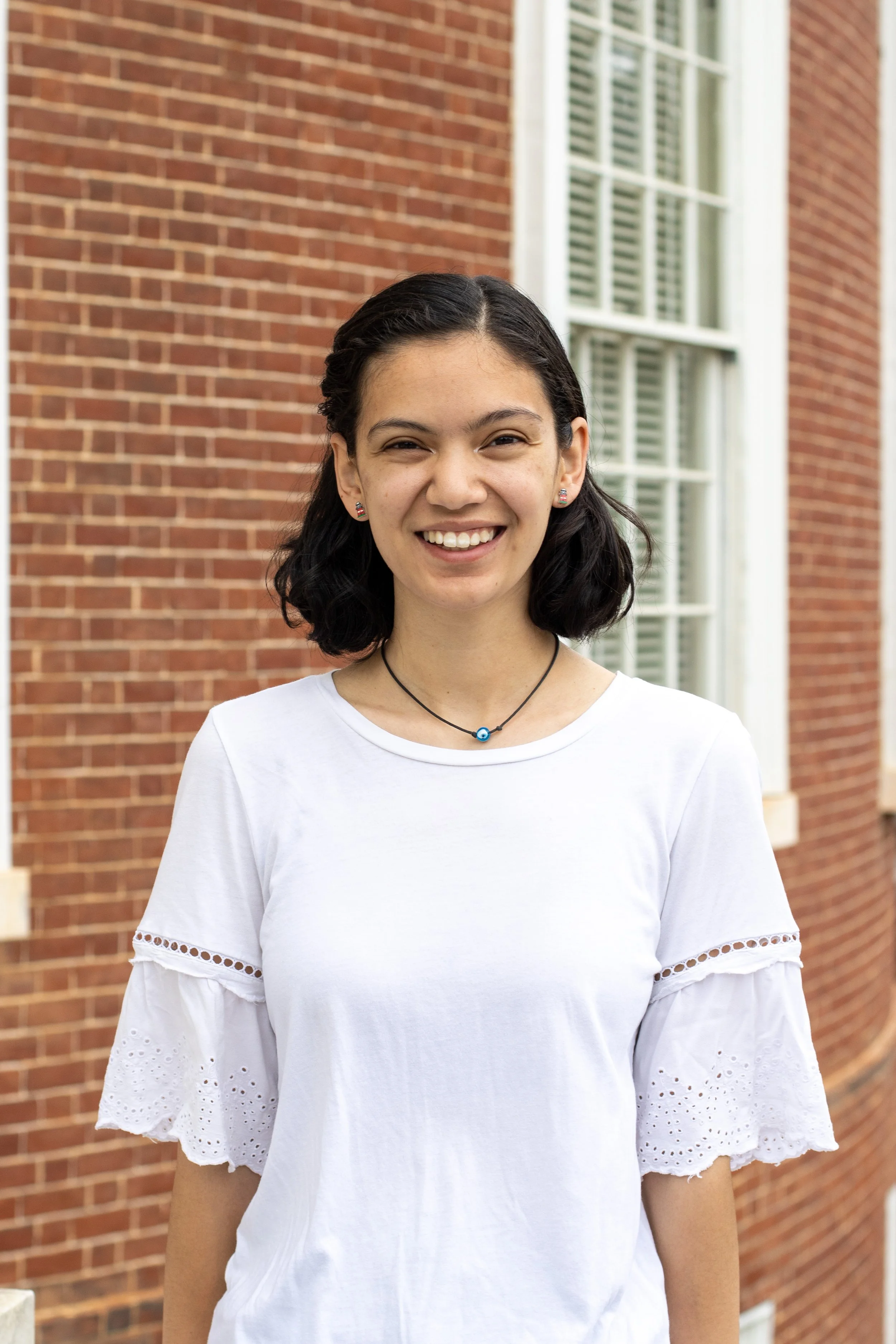
Photography by Catherine White.
If you're reading this, you don't have to do it alone.
As I reflect on my past four years here and how I've changed, one thing remains constant: the presence and support of other people in my life and in my successes. It's clear to me that I couldn't have done any of this alone. But of course, I didn't have to.
At the beginning of my second semester here, I was worried I would never find my people. It felt like everyone around me had a community of their own, a set group of people to rely on, and I didn't have that. All around me, it seemed like people had been brought together after the tragic shooting in November of my first year, with everyone gathering for a candlelight vigil and memorial, but to me, it just highlighted that I didn't have a group to gather with. If I ever wanted to be a part of a community, I thought, I would somehow have to figure it out myself — it's embarrassing to ask for help, and even if you do ask, no one will want to help you.
But that's not how it works, is it? If you're searching for community, chances are the people around you are, too. Throughout that semester, I realized — as most first-years do — that a lot of the people around me were just pretending, that friend groups that seemed perfect from the outside actually had their flaws, too, just like mine. Even people who are surrounded by people get lonely, and everyone around you is always looking for connection. I found that if I didn't want to eat alone at the dining hall, it wasn't crazy to ask my hallmates or the people in my classes if they wanted to eat with me; more often than not, someone would say yes. If I wanted to throw a surprise birthday party for someone and I mentioned that to a mutual friend, they would eagerly offer their own skills and time in order to make it happen. Asking people for help or support doesn't just benefit you; it improves the lives of everyone around you.
The UVA School of Nursing has actually done research on this. They call it "mattering" — if you rely on other people, then both of you feel that you matter in each other's lives. In this article [https://nursing.virginia.edu/news/julie-haizlip-mattering-interdependence/], UVA School of Nursing professor Dr. Julie Haizlip writes, "[I]n trying to make it on our own, we rob ourselves and others of opportunities to matter." And isn't that crazy? To think that self-sufficiency doesn't actually indicate strength, but rather takes away an important aspect of what it means to be human? If you feel lonely, reaching out to other people doesn't make you a burden. It means you've made someone else feel seen, feel important. And that's one of the most powerful things you can do.
In the years since then, I've found and created places where I feel like I belong, where I feel like my presence is important, where we can come together in our grief and uplift each other in our joy. I'm unbelievably grateful for these people and how rare our time with each other seems, especially as I prepare to graduate. After all, there's only one way to build a community like this: together. Community doesn't begin with trying to make it on your own, with trying to shield yourself from embarrassment or rejection or pain. It starts with asking someone else for help.
Grace C., University of Virginia
Connect With Us
To follow IfYoureReadingThis at UVA on Instagram, get in touch with our chapter, and learn about more resources available to University of Virginia students, visit our chapter’s homepage.
AUTHOR CONTACT
This author has opted to allow readers who resonate with their story to contact them. If you would like to speak to the author of this letter about their experience, please use the form below.