Noah E.
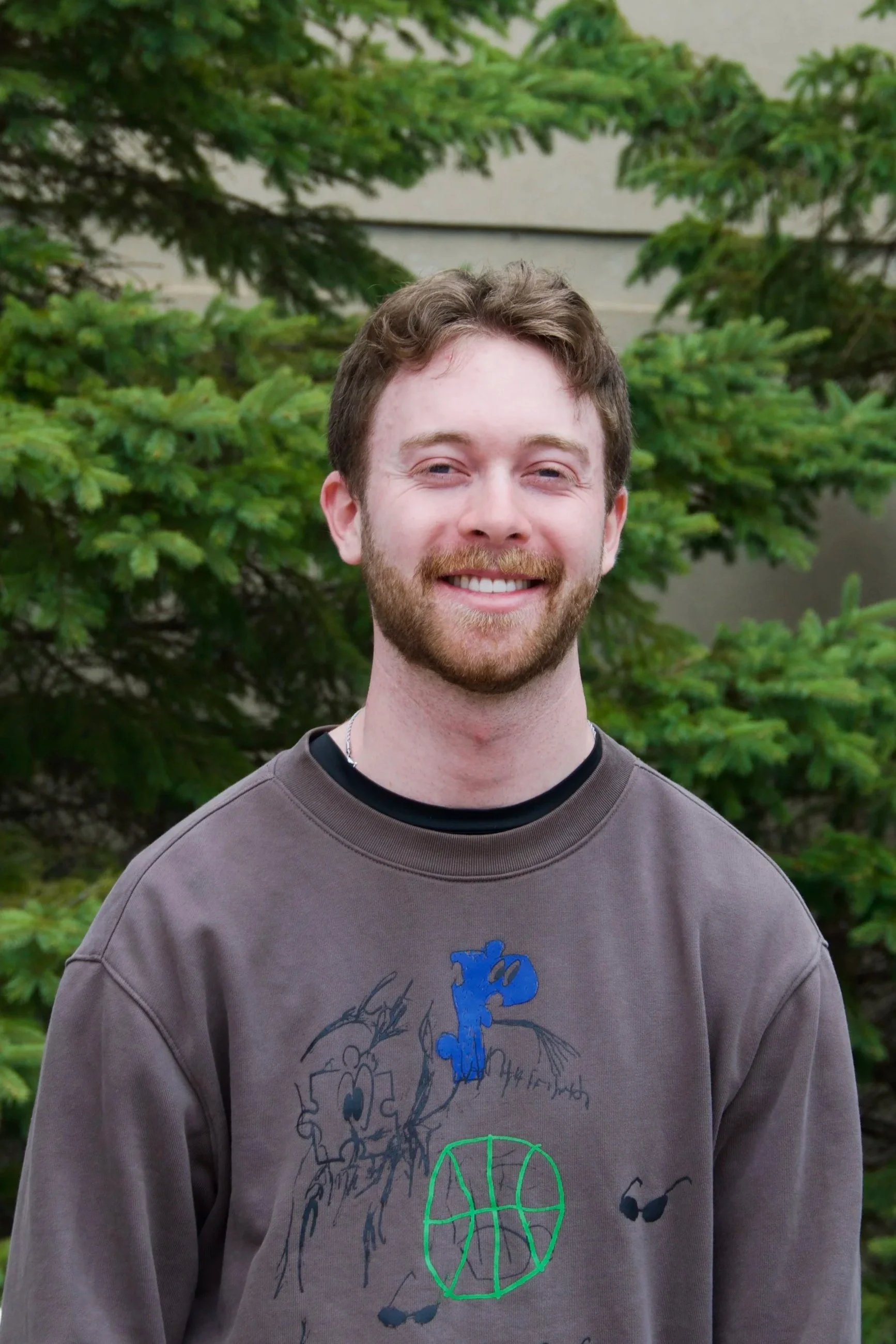
Photography by Colleen Charchut
If you’re reading this, stop living by someone else’s rulebook.
In this interview, an If You're Reading This team member sat down with Noah to learn more about his journey through college, entrepreneurship, and self-discovery. He shares how he balanced building a company with staying present as a college student, what success means to him beyond money and status, and how learning to ask the hard questions early has shaped the way he moves through the world.
IYRT Team: What was your college experience like and how did it differ from year to year?
Noah: In the beginning, I came in uncertain about everything from wanting to discover what I was interested in to what groups I wanted to be part of. It took a little while to get my footing socially freshman year. I had a gap year before college that helped me grow into myself. I came in with the intention of balancing school and clubs, but what I really wanted was to build a company or join a startup. That priority led me down a good path.
Things shifted sophomore year when I co-launched a company, which became the priority for my life. There was a moment where I needed to decide how to prioritize it relative to everything else. I told my co-founder I still wanted a regular college experience. I wasn't willing to sacrifice the social aspects just for something that might not work out. So I stayed disciplined with my time while balancing that with a willingness to go have fun, try new things, and be a regular college kid. School wasn't a huge priority for me, even though I love learning. Putting that aside meant there weren't many moments of real tension. The bulk of the middle years were about executing on the company while having a great time socially and meeting many of my closest friends. By senior year, after selling the company, I could really enjoy myself and think about what came next.
IYRT Team: Can you talk about what stress looked like during the most intense periods?
Noah: Sophomore year had a lot going on socially while I was also co-founding the company. I still wasn't sure how to navigate school and the startup simultaneously. My co-founder was older and in San Francisco, so we'd talk only occasionally. It was a lonely process at times, even though I had a lot of fun and learned a lot. I had to constantly reaffirm my motivation and commitment. We were doing pretty well from the start, which helped, but I still questioned whether it was the right thing. There was also an emotional loneliness in thinking about things I couldn't easily relate to others on. And there was always a lingering wonder: was I sacrificing something in my college years I'd never get back by pouring everything into this company?
IYRT Team: Would you say your definition of success has changed from the start of college to now?
Noah: In the beginning, I was drawn to entrepreneurship because you can build something from scratch while gaining the freedom to pursue what you're intrinsically motivated by. My goal was to reach a point of financial freedom by graduation to go do whatever I wanted–I still don't fully know what that thing is, but entrepreneurship felt like a meaningful path to get there.
Now I'm trying to shift my definition of success from something extrinsic toward something more intrinsic: creating things that help others and pursuing what energizes me in the morning. I don't want my definition of success to just be about me. What's the point if it is?
IYRT Team: What legacy do you want to leave on the world?
Noah: I think more about impact than legacy. I don't really care about being remembered. I care about creating impact while I'm here and helping people's lives at scale. I'm very interested in human flourishing and mental health. In entrepreneurship, I'm thinking about how to create something in those categories.
IYRT Team: Can you talk about experiences that shaped your mindset around success and mental health?
Noah: Having a mindset of questioning and skepticism has been really important for me. It's easy to live by the rules and expectations others outline for you. In many ways, we're just living according to conditioning from society, parents, and community. Those rules might be great or bad, but actually questioning them and figuring out what you want is important. It's a difficult exercise because you have to strip away the conditioning, but once you do, you start to understand what you genuinely enjoy and are motivated by.
Over the last year, I haven't really had a plan. That sounds glamorous on the surface, and I'm fortunate to have that freedom, but it's also quite disorienting. I've tried to approach things not with a rigid roadmap, but with an intention around what I care about and where I want to move. Holding yourself to a specific year-by-year plan leaves no room for flexibility.
For instance, I got interested in yoga and decided to do a teacher training while traveling. When I was in Asia this summer, I felt drawn to studying a particular type of meditation and just went and did it, not thinking about how I'd be perceived or what expectations others had of me, just trying to align with my heart and intrinsic drives.
Another thing is genuinely not caring what people think. Over the last year, I've had a lot of discomfort when people ask "what are you doing next year?" and I don't have an answer. I've learned I should just say "I don't know" rather than overexplaining or making something up. Not knowing keeps you from putting yourself in a box and opens up your perspective.
I think questioning, especially when you're young, is critical. Not obsessively, but asking the big questions: What do I get energized by? What do I think about when I fall asleep? How do I want to make an impact? What am I really good at? Asking these now means you're less likely to wake up decades later wondering why you spent 20 years in a job that wasn't meaningful. We're not encouraged enough to ask these questions when we're young. Questions like "how do I find meaning?" or "what is my relationship with death?" get pushed away, but we should address them sooner. We won't find immediate answers, but we can begin figuring out what we don't like, what we do like, and iterate from there.
IYRT Team: Are there any small things throughout your day that fill your tank or make you feel like you have an impact?
Noah: I really enjoy teaching. Yesterday, I hosted a meditation class in Chicago with 25-30 people, and I got to share something I'm genuinely interested in. About a year ago, I taught a seminar on AI education, and I find a lot of energy in helping people learn new skills and shift their perspective. I want to incorporate teaching into whatever I do next.
Every time I do something that feels like it's helping others, I feel genuinely fulfilled. It's not even purely selfless–it's almost selfish in a way, because I know it's the right thing for me. I'm trying to be more motivated by putting others first, rather than focusing every day on what I want for myself.
Noah E., Northwestern University
Connect With Us
To follow IfYoureReadingThis at Northwestern on Instagram, get in touch with our chapter, and learn about more resources available to Northwestern students, visit our chapter’s homepage.
AUTHOR CONTACT
This author has opted to allow readers who resonate with their story to contact them. If you would like to speak to the author of this letter about their experience, please use the form below.