Anonymous
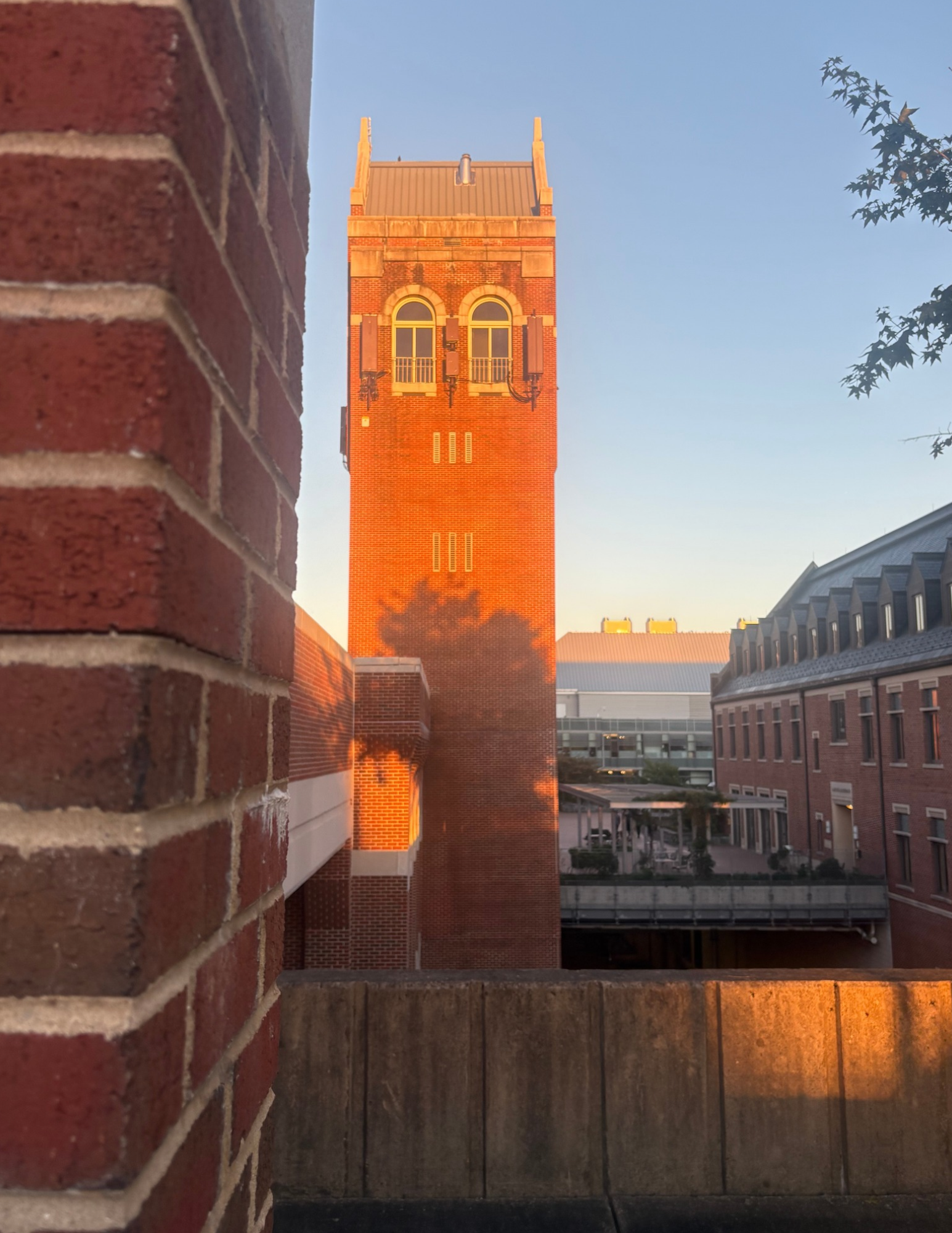
Photographed by Kaylee M.
Please Note: In this letter, there is mention of an eating disorder and self harm. If you think you may find this content triggering, please consider reading one of the other letters of IfYoureReadingThis.org, or prepare to access any support systems or resources you find helpful.
If you're reading this, your struggle does not define you.
I’ve struggled with my mental health since 7th grade. For 7 years now, the anxiety and depression has come and gone in waves. It feels like forever. I can't really remember a time when I wasn't either in the throes of a crisis, recovering from one, or approaching one.
During 7th grade, my eating disorder started, and a few months later, I started hurting myself. Both of these issues persisted for years, to various degrees. I still can't look at a nutrition label without cringing.
The scars on my arms are a constant reminder of the darkest times in my life. I've since gotten tattoos as attempts to cover them up, but they're still visible, and even if they weren't, I would know they were there.
Since getting clean, I've had this idea in my head that my scars make me unlovable - that I am disgusting and damaged. While I still have these thoughts, I always force myself to remember that my scars do not define me. On one hand, they represent a dark period in my life. On the other hand, they show how much I've overcome. They are a reminder that I am stronger than my mental health conditions.
This doesn't just apply to physical scars, but mental scars as well. Every time you think back to the darkest points of your life, focus on your progress and how much you overcame to get to where you are today. I dislike the phrase “what doesn't kill you makes you stronger,” so I'd like to propose a different one. What doesn't kill you is a reminder of how strong you are. Your struggle does not define you. We are more than our mental health conditions.
Anonymous, Georgetown University
Connect With Us
To follow IfYoureReadingThis at Georgetown on Instagram, get in touch with our chapter, and learn about more resources available to Georgetown students, visit our chapter’s homepage.
AUTHOR CONTACT
This author has opted to allow readers who resonate with their story to contact them. If you would like to speak to the author of this letter about their experience, please use the form below.