
TFAS Event Reflections
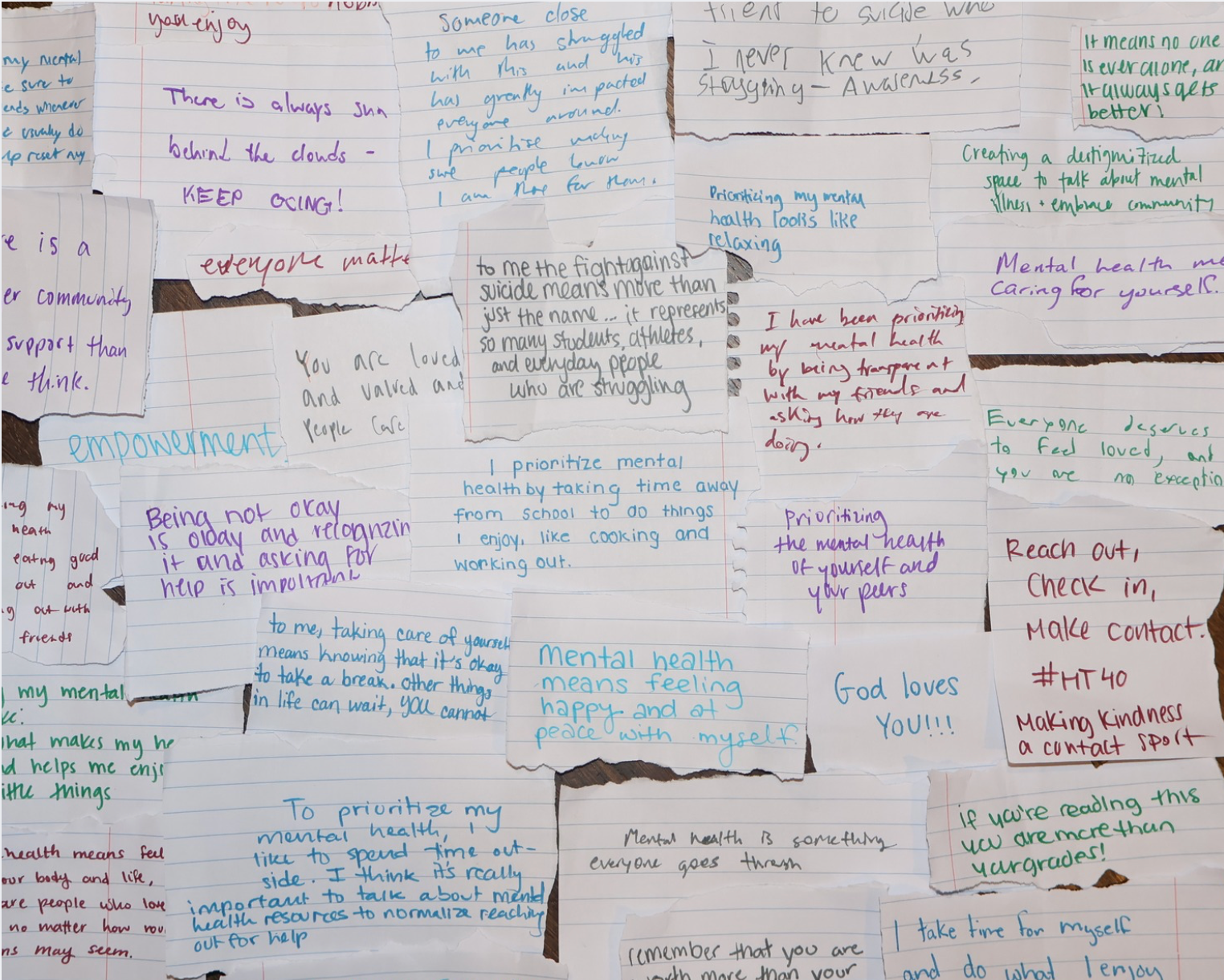
Photographed by Tatum Murr
If you’re reading this, you are never alone.
On October 5, students gathered for a speaker night hosted by The Fight Against Suicide (TFAS), featuring Ray Paul, a mental health advocate and Chair of the National Board of Directors for the American Foundation for Suicide Prevention. Through his personal experiences and advocacy, Ray has dedicated himself to advancing mental health awareness, breaking down stigma, and building communities where people feel supported.
TFAS is a student-led organization dedicated to raising awareness for mental health and suicide prevention, bringing students together through shared experiences, meaningful conversations, and a common purpose. Its mission extends far beyond a single event. It is about reminding people that their struggles matter, their stories deserve to be heard, and they do not have to face life’s challenges alone.
As we reflect on last week’s event, we are reminded that conversations about mental health should not end when the night is over. The importance of checking in on ourselves, supporting one another, and creating a community where everyone feels valued extends into our everyday lives. Mental health awareness is not limited to a speaker night or a single moment of reflection. It is something we can continue to prioritize through the ways we care for ourselves and show up for others.
During the event, If You’re Reading This partnered with TFAS to ask students two questions:
What does TFAS mean to you? And, what does prioritizing your mental health look like?
The responses reminded us that mental health means something different to everyone, but it is something that connects us all.
If you’re reading this, your mental health matters.
There is no one right way to prioritize your mental health. Sometimes, it’s about finding joy in everyday moments, while other times, it’s simply about taking a moment for yourself.
“Mental health means caring for yourself.”
“Mental health is something everyone goes through.”
“Mental health means feeling happy and at peace with myself.”
“To me, mental health means feeling secure in your body and life, knowing there are people who love/care about you no matter how rough present situations may seem.”
“I prioritize my mental health because I want to be happy and healthy.”
“Prioritizing my mental health means doing what makes my heart full, which helps me enjoy the little things.”
“I take time for myself and do what I enjoy to prioritize my mental health.”
“Practicing my mental health looks like relaxing.”
“Taking time to do hobbies you enjoy.”
“Walks and meals with friends!”
“Workout classes and eating healthy!”
“Prioritizing my mental health means eating good, working out, and hanging out with friends.”
“I prioritize mental health by taking time away from school to do things I enjoy, like cooking and working out.”
“To prioritize my mental health, I like to spend time outside. I think it’s really important to talk about mental health resources to normalize reaching out for help.”
If you’re reading this, you are more than your accomplishments.
In college, it’s easy to get caught up in our responsibilities, expectations, and everything we feel like we should be doing, but prioritizing mental health also means remembering that we deserve time to rest and care for ourselves.
“If you’re reading this, you are more than your grades.”
“Remember that you are worth more than your accomplishments.”
“To me, taking care of yourself means knowing that it’s okay to take a break. Other things in life can wait, you cannot.”
If you’re reading this, you don’t have to do it alone.
We don’t always know what the people around us are going through, but we can make a difference by checking in, reaching out, and reminding one another that no one has to face difficult moments alone.
“Walking to show up for yourself and someone else.”
“Checking in on friends at all times good or bad.”
“I lean on my community for support when I feel alone.”
“There is a larger community for support than people think.”
“Never feel like you can’t reach out to someone.”
“If you need help, ask your family and friends. You are never alone.”
“To prioritize my mental health, I make sure to meet with my friends whenever I need help, and usually do an activity to help reset my mind.”
“I have been prioritizing my mental health by being transparent with my friends and asking how they are doing.”
“Prioritizing the mental health of yourself and your peers.”
“Reach out, check in, make contact. #HT40. Making kindness a contact sport.”
“Someone close to me has struggled with this and this has greatly impacted everyone around. I prioritize making sure people know I am here for them.”
If you’re reading this, your story matters.
The Fight Against Suicide represents something deeply personal to many students. These responses remind us why continuing conversations about mental health, creating supportive spaces, and showing up for others matters.
“Lost a good friend to suicide who I never knew was struggling – awareness.”
“Creating a destigmatized space to talk about mental illness and embrace community.”
“It means more than just a fight, it’s standing up for others.”
“To me the fight against suicide means more than just the name… it represents so many students, athletes, and everyday people who are struggling.”
“Empowerment.”
“Being not okay is okay and recognizing it and asking for help is important.”
“Everyone matters.”
“You are loved and valued and people care about you.”
“God loves you.”
“Everyone deserves to feel loved, and you are no exception.”
“It means no one is ever alone, and it always gets better.”
“There is always sun behind the clouds – KEEP GOING!”
“The world is a greater place with you. In times where you might not believe that, lean on your support team – there are so many people who love you and want nothing but to help you. You are strong, you are loved, and you matter.”
As we carry the messages from last week’s event forward, we hope these words serve as a reminder that mental health awareness doesn’t end when an event is over. It continues through the ways we care for ourselves, check in on our friends, and support the people around us.
These responses came from different students with different experiences, but together, they represent a community that believes in the importance of showing up for one another.
If you’re reading this, you are more than your accomplishments. You are loved, you are valued, and you are never alone.
IYRT & TFAS Event Attendees, University of North Carolina at Chapel Hill
Connect With Us
To follow IfYoureReadingThis at UNC on Instagram, get in touch with our chapter, and learn about more resources available to UNC students, visit our chapter’s homepage.
