Monica L.
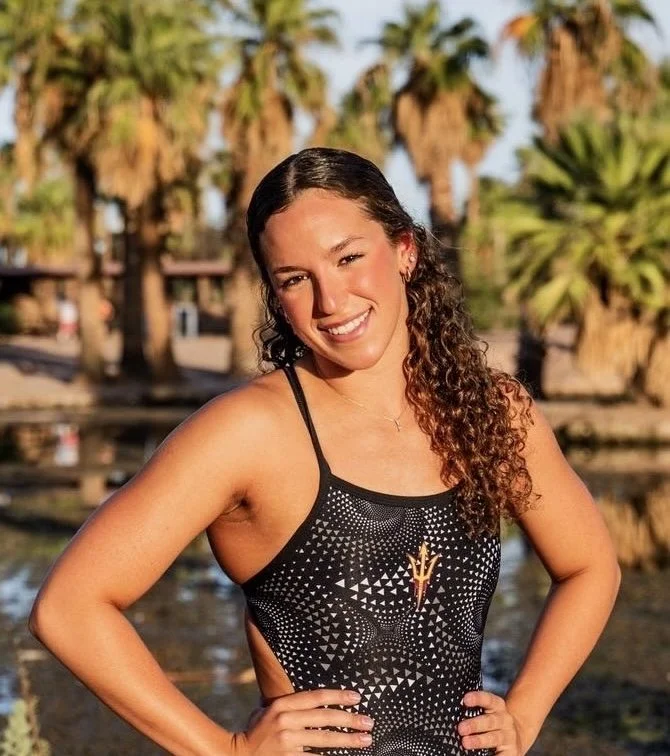
If you’re reading this, know that empathy is a language we can all learn to speak.
My whole life, people have viewed me as someone who is a bit rough around the edges. But in reality, I am just direct. I value transparency and telling the truth. Yet, I’ve learned that when you choose that, people often mistake it for a lack of empathy.
But for me, it is not the way to express my empathy; I prefer to show it through actions rather than sugarcoated words. Balancing honesty with care isn't always easy, but it is essential. Ultimately, the most important journey is finding your own authentic way to express it.
Growing up, my parents taught me a simple rule: “Don’t treat others in a way you wouldn’t want to be treated yourself.” For me, this goes way further than treating someone great so that they treat you great back. It's about creating an environment of mutual respect where we don't have to make an effort to feel better about ourselves.
Empathy also goes far beyond politeness.
Empathy isn’t just holding the door open for someone as they pass by.
Being empathetic means clearing your plate at a restaurant because you notice it’s a busy day for the servers, and they have many tables to cover. Being empathetic means checking in on a friend you know isn’t doing well, standing by them without overwhelming them with unsolicited advice. Being empathetic means sharing others’ emotions and trying to understand them—not just feeling sorry for them, but knowing that you’re not going to feel exactly like them.
Most of the time, we don't realize how important empathy is in our lives or the role it plays until we need it ourselves. In the past, I have felt judged or ignored by people who haven't even taken the time to get to know me, which has made me feel like a burden. And I understand that we don't have to be responsible for how everyone else feels all the time, but you can definitely make someone's day better just by saying hello instead of walking past them without even looking. By
By doing this, you can make them feel seen, understood, and connected.
Although I had already realized this through past experiences, my arrival at ASU reinforced it. I’ve always enjoyed learning languages, but coming here made me understand the comfort of my native language. In Spanish, my thoughts flow naturally without having to think twice about every word. Every time I meet someone who speaks Spanish here, I feel a sense of relief, as if I could disconnect from the pressure I sometimes feel for a while.
On the other hand, speaking a second language forces you to be both vulnerable and brave. You constantly show your limitations and make mistakes in front of others. Sometimes, you know exactly what you want to say, but the words just don't come together the right way.
When there is a language barrier, the person speaking tends to hold back, be quieter, and feel more self-conscious. That's why your personality changes when speaking different languages. And it's not about being two-faced; it's simply that when we make the effort to speak someone else's language, we are choosing connection over comfort. This is pure empathy. We are taking the pressure off the other person's shoulders to adapt to us, giving them the opportunity to show who they truly are.
In the end, whether it's in your life, your social circle, your class, your team, or any space you find yourself in, it's about stepping outside of your own bubble to make someone else feel seen and heard. Learning a language isn't just an academic achievement; it's a way to walk alongside others so they feel less isolated.
Taking the time to learn, listen, and understand others can change how they see you, and above all, help them feel valued.
Monica L., Arizona State University
CONNECT WITH US
To follow IfYoureReadingThis at ASU on Instagram, get in touch with our chapter, and learn about more resources available to Arizona State University students, visit our chapter’s homepage.
AUTHOR CONTACT
This author has opted to allow readers who resonate with their story to contact them. If you would like to speak to the author of this letter about their experience, please use the form below.