Anonymous
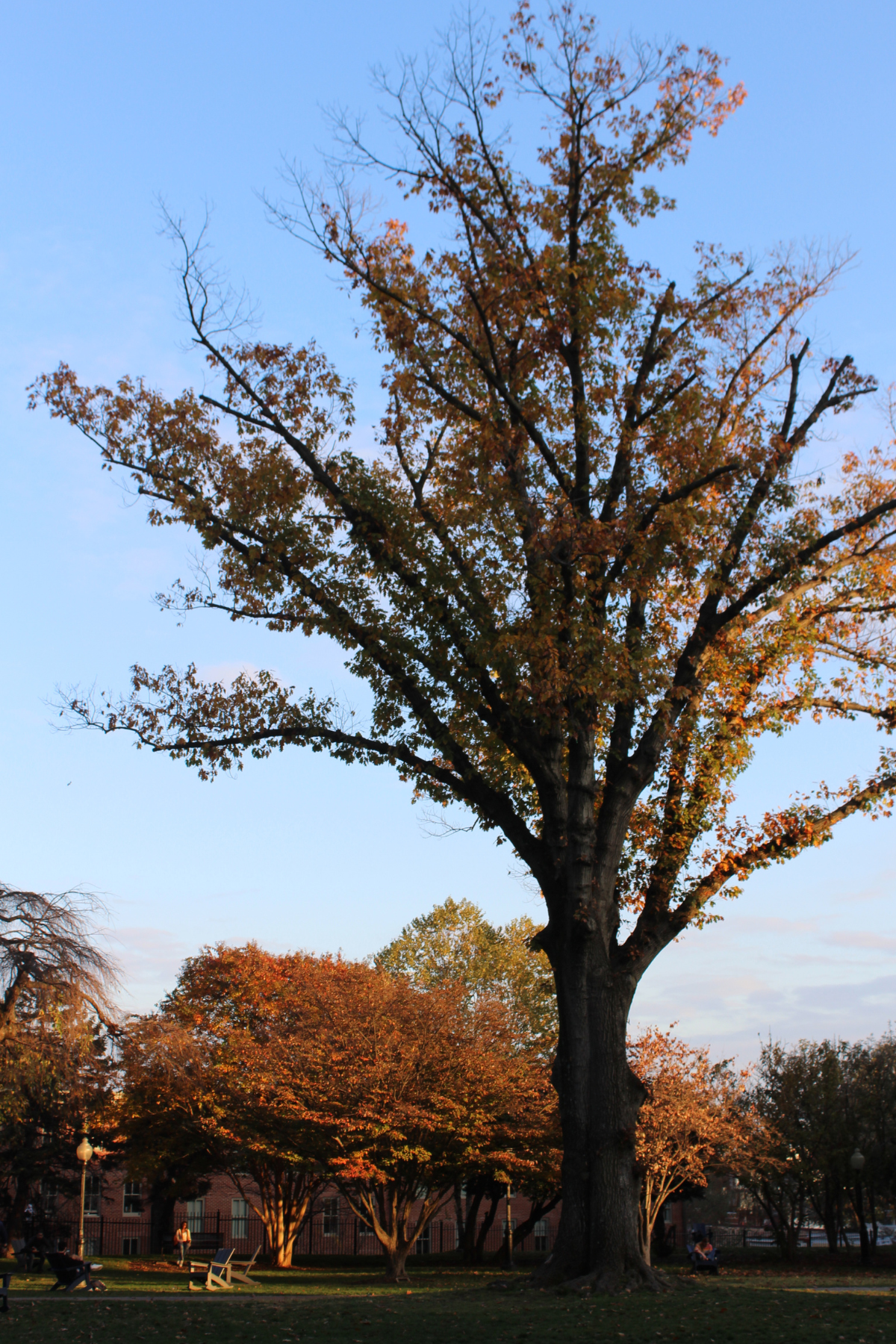
Photographed by Sophie M.
If you’re reading this, it’s okay to be yourself, even if other people don’t understand.
I used to live my life feeling like my identity was a patchwork of my surroundings. I often blended into the background, making choices that were a reflection of my friends and not me. I obsessed over the latest fads and forced myself to be someone I was not. Until I was 18, I felt like no one knew the true me.
Starting in kindergarten I began to put the pieces together that I was somehow different from my peers. As we grew up, my friends became more and more into boys, but I couldn’t help but notice the beauty of girls. I forced this feeling out of my mind and began a four-year long period of being “boy crazy”. Seriously, ask any one of my friends from middle school, and they will tell you about this phase. For years I felt the need to overcompensate for my deeper feelings that I was ashamed of.
Looking back, I still can’t quite understand where this internalized homophobia came from. I grew up surrounded by gay people: my godfathers, aunts, and teachers. One possibility is that because I attended an all-girls school, I didn’t fully understand what it meant to be attracted to girls because, at the time, everyone had their eyes set on boys. This lack of understanding, combined with my deep need to fit into my environment, created a hostility within myself that I am still fighting to overcome today.
When Covid hit, I felt a huge shift in the way queerness was portrayed in the media. Sexual exploration and pride filled my feed, and for the first time, I felt connected to the queer community. However, I still couldn’t appraise the things I felt toward girls as attraction. I didn’t realize that I could be gay. The thought never crossed my mind.
One day, I confided in my best friend about my situation. I told her that I had these strange feelings toward girls that I had never experienced before, but assured her that it was not in a “gay way”. It wasn’t until my friend came out to me in May 2021 that I realized for the first time that I might be gay.
The next obstacle for me was coming to terms with what this meant for my future. It’s one thing to experiment with a girl, but it’s another to marry and have children with one. I struggled with the fact that I would have to come out to every person I met for the rest of my life. Most people think of coming out as a singular moment in their lives where they tell their families. In reality, it’s continuous. It hit me that I would have to come out to strangers in every-day mundane situations. I wouldn’t be able to tell a casual story involving a girl I was dating without having to come out. This was terrifying.
I also struggled with the fact that I could never have a fully biological child with the person I love. Motherhood is something that I have dreamed of my whole life, and I am still coming to terms with this.
I began slowly coming out to people in my life in the summer of 2021. But when I told them, they often expressed their genuine shock. Because I did not fit the stereotypes of how lesbians look, dress, or act, I began to feel like a fraud. When I first began navigating my coming out process, I felt like I needed to lead with a disclaimer that would help clarify the confusion. The uneasiness I felt when my friends were shocked quickly turned into a fear that others would not believe me. I began obsessing over gay stereotypes, trying to incorporate them into my fashion, music, and lifestyle choices. Years after middle school, I reverted back to my old habits of forcing myself into a mold I could not fit. What I thought were external changes for the comfort of others quickly changed me internally as well. I no longer felt pride in my identity. While parts of me wanted to ease others’ confusion by exaggerating my appearance to fit these stereotypes, another part struggled with internalized homophobia. I was terrified that my friends would see me differently, so I simultaneously inhibited myself from changing too much and began shopping for new clothes that I thought would bring me validation from my friends. Finding the middle ground between these two opposite struggles was impossible.
While facing all of these internal battles, I also felt incredibly alone. I was still largely in the closet, and I wanted more than anything for everyone around me to know. It wasn’t until I got my first girlfriend in April 2025 that I finally told everyone in my life. This step was huge for me, and I had never been happier.
Coming to college, I once again felt isolated, as no one at my new school knew I liked girls. I struggled with the fact that I would once again have to come out to everyone I knew, but I knew that I never wanted to feel like I was constantly misunderstood. Though I still struggle to tell every new friend I make, I have found so much value in living as my authentic self. I have left behind formal coming out conversations and have instead let others accept that not everything about me will make sense to them. I have stopped letting heteronormativity win because I refuse to return to my old patchwork identity. If you’re reading this, it’s okay to be yourself, even if other people don’t understand.
Anonymous, Georgetown University
Connect With Us
To follow IfYoureReadingThis at Georgetown on Instagram, get in touch with our chapter, and learn about more resources available to Georgetown students, visit our chapter’s homepage.
AUTHOR CONTACT
This author has opted to allow readers who resonate with their story to contact them. If you would like to speak to the author of this letter about their experience, please use the form below.