
Elise B.
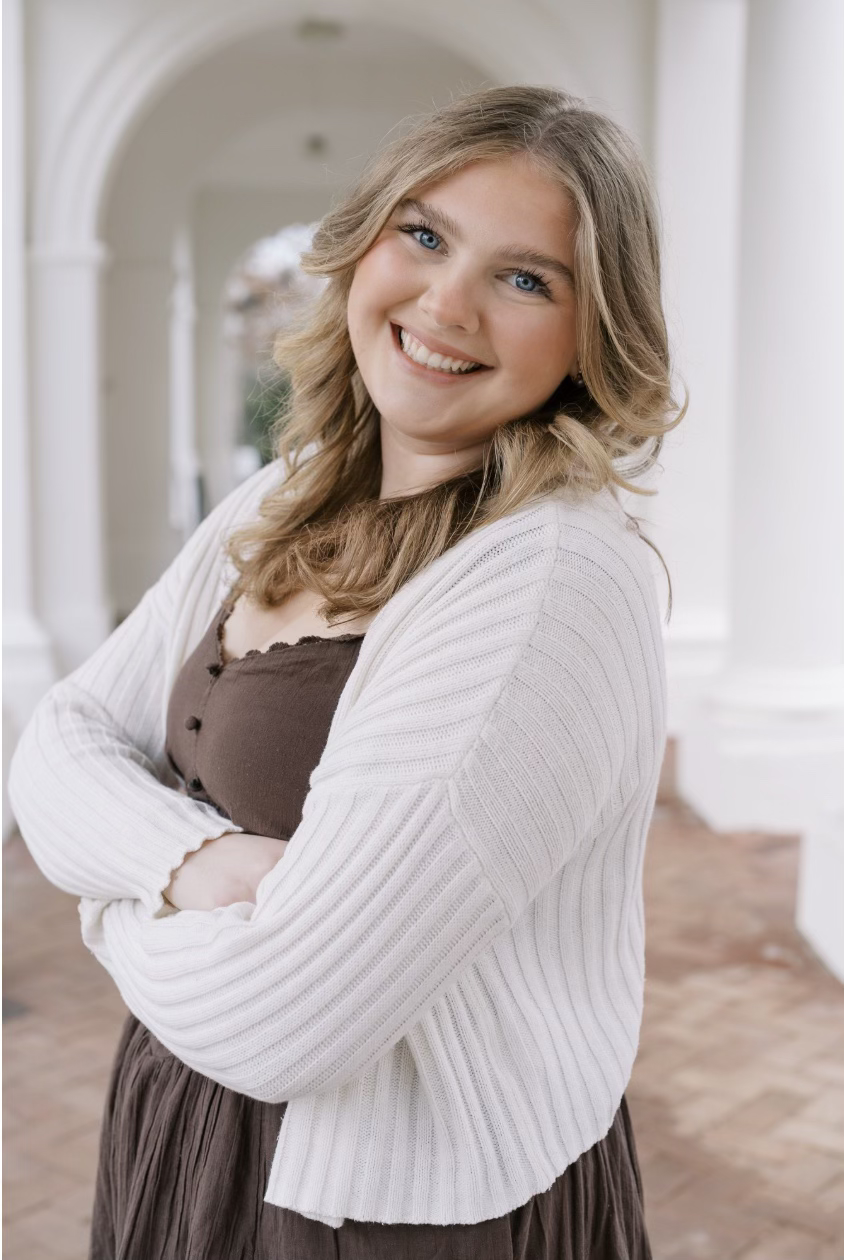
Photography by Lyn Waldrop.
If you’re reading this, love is an organ.
When I was in the fourth grade, my mother donated one of her kidneys to my father, who was suffering from end-stage polycystic kidney disease. At the time, I didn’t feel half as much fear as I think I would now—a world where my dad didn’t survive was never a possibility. This was probably due, at least in part, to the fact that 9-year-old me had become rapidly accustomed to organ failure as a facet of life; I had been diagnosed with Type 1 Diabetes only three months earlier. Plus, kidney donation was just something people in my family did, like saying grace at the dinner table. My grandfather had given my grandmother his kidney, my great-uncle had given one to my great-aunt, and so on.
If you know anything about organ donation, you know that finding a match can be extraordinarily difficult. Many people spend years on dialysis waiting for a kidney, knowing they may never find one. In fact, over 90,000 people are currently waiting for a deceased donor kidney in the United States, with a wait time of 3 to 5 years. Against that backdrop, it is remarkable that generation after generation of my family could marry for love and, years later, discover that they were also compatible donor-recipient pairs.
It was this that taught me my earliest lesson about caring for others—love requires a willingness to give something of yourself. It is a notion we sometimes shy away from, even when we know that love often asks something of us. We are told that those who love us will never ask us to change or give anything up. Maybe that is true. But I have come to believe that loving someone also means wanting to give something of yourself when the occasion arises.
Organ transplants are obviously a black and white example of this—most people, when faced with the notion that their loved one may pass away or live permanently on dialysis, would donate an organ in a heartbeat to prevent that. But sacrifice for the people we love appears in thousands of smaller, less dramatic choices every day.
Many people, for example, are surprised to learn that I am an introvert. As the president of several organizations at UVA, I can often be found hollering directives at large quantities of people. Secretly, I tend to shy away from meeting new people and speaking to large groups, but because I love these organizations and the people within them, it’s a part of myself I chose to relinquish. As I often say, “inconvenience is the price of community.”
I likely won’t find out if I need a kidney transplant of my own until my late 20s or early 30s, so I can hardly set my Hinge preferences to “type O- blood.” Frankly, I believe diabetes is already enough of a cross to bear (thank you very much), and there’s no pancreas transplant currently on the market. I know, however, that my family would have given any part of themselves up in an instant if they’d had the option. I know because I’ve seen what they’ve sacrificed for me: the countless nights my dad slept on my bedroom floor to make sure I lived through the night, the draining jobs my parents kept to maintain our health insurance, and the hours my mom spent researching camps and support groups where I could meet other kids living with my condition.
I know I am loved because I have seen what others have been willing to give of themselves for me. If you’re reading this, choose to love others in the same way.
Love is an organ, and it is gifted to one another through acts of sacrifice.
Elise B., University of Virginia
Connect With Us
To follow IfYoureReadingThis at UVA on Instagram, get in touch with our chapter, and learn about more resources available to University of Virginia students, visit our chapter’s homepage.
AUTHOR CONTACT
This author has opted to allow readers who resonate with their story to contact them. If you would like to speak to the author of this letter about their experience, please use the form below.